Somewhere between sixty and eighty percent of what you taste in a Scotch comes from the wood, not the spirit. The clear liquid that comes off the still tastes like fruits. The oak turns it into the layered, complex stuff you are willing to spend eighty pounds on. Once you know how cask types work, you can read a whisky label like a menu.

4 mins read
Tasting culture
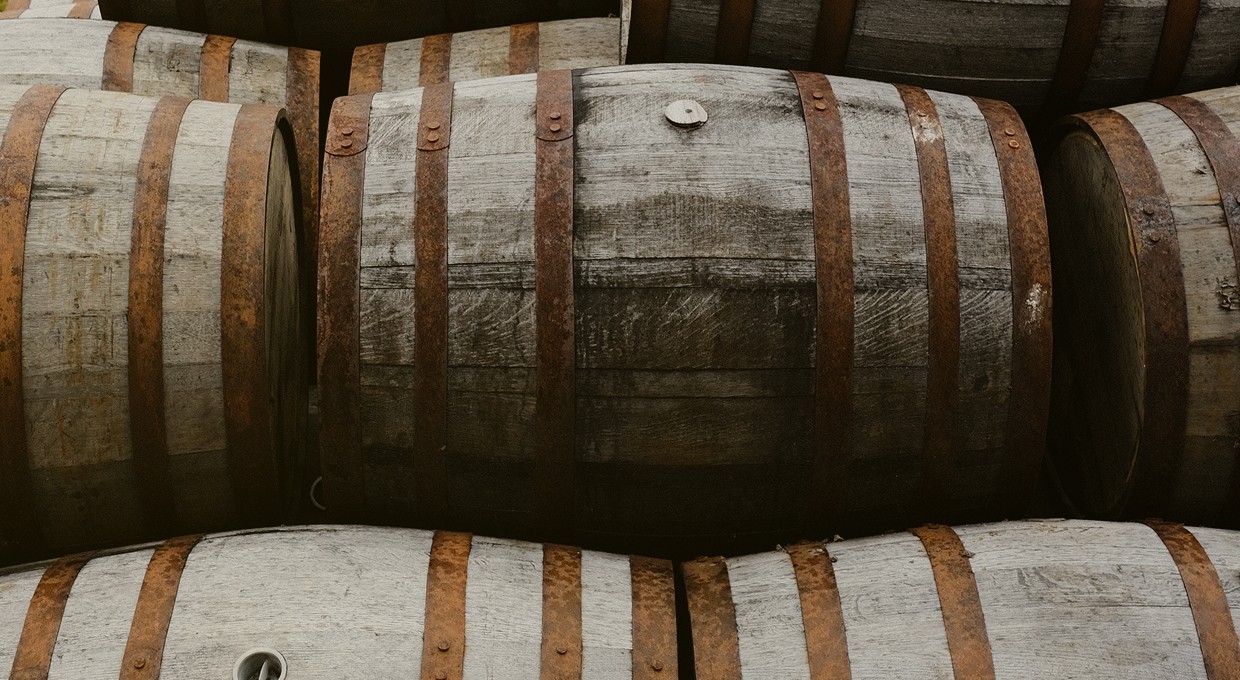
Ex bourbon. The workhorse
By American law, bourbon must be aged in brand new oak barrels and those barrels can only be used once. So after four to eight years the distilleries sell them on, cheaply, and Scotland buys them by the thousand.
What the wood gives. Vanilla, coconut, caramel, honey, creme brulee. Think a bakery on a sunny morning.
The feel. Sweet, approachable, safe. This is the backbone of most Scotch. If a label doesn't tell you otherwise, assume it's bourbon cask.
Examples. Glenmorangie Original. Glenfiddich 12. Most entry level single malts.
Ex sherry. The rich one
These barrels previously held Spanish sherry, usually Oloroso or Pedro Ximenez. They are harder to find and a lot more expensive, because sherry production has declined and the barrels are no longer cheap to come by.
What the wood gives. Dried fruit, raisins, figs, dates. Dark chocolate. Christmas spices. Leather and tobacco. Think Christmas dinner by the fire.
The feel. Rich, luxurious, indulgent. This is whisky in a velvet smoking jacket.
Examples. Macallan Sherry Cask. GlenDronach. Aberlour A'bunadh.
Virgin oak. The loud one
Brand new barrels that have never held any liquid before. The wood is fresh, which means it is active and it is pumping flavour into the spirit aggressively.
What the wood gives. Ginger, chilli, sharp oak, sawdust, resin, and a lot of spice. If it is American oak, some coconut and vanilla. If it is European oak, earthier tannins.
The feel. Punchy, intense, sometimes divisive. Virgin oak does not whisper.
Examples. Arran Bodega. Glenfiddich 15 Solera (partially). Many Japanese whiskies.
First fill versus refill
Think of a cask like a teabag.
First fill means the first time Scotch has been poured into that barrel after it held bourbon or sherry. The wood is still saturated with the previous spirit, so it gives back a lot of flavour and a lot of colour. This is the first, strong cup of tea.
Refill means the cask has been used two or three times already. The wood influence is softer. You taste more of the distillery itself and less of the cask. This is the second or third cup of tea. Milder, but still good, and sometimes more revealing of the spirit character.
Which is better. Depends what you want. First fill is bigger and bolder. Refill is more delicate and lets the distillery's own character shine. Neither wins in the abstract.
Finishes
A finish is when a whisky is aged in one cask type for the bulk of its life, then moved into a different cask type for the final months or years. Think of it as adding a last layer of flavour at the end.
Why do it. Because you can get two cask profiles in one bottle. Vanilla backbone from the bourbon years, then a hit of dried fruit from a short sherry finish. It changes the whole experience without starting over.
Examples. Balvenie DoubleWood, bourbon into sherry. Glenmorangie Quinta Ruban, bourbon into port. Ardbeg Uigeadail, bourbon and sherry married together rather than sequential.
How to use this at the bar
Next time you're at a festival or a tasting event, ask the rep a better question than what is this. Ask what casks did you use. The answer tells you almost everything.
Want something sweet and easy. Refill ex bourbon.
Want something rich and festive. First fill ex sherry.
Want something bold and spicy. Virgin oak or cask strength.
Want something interesting. Any finish.
Why your sensory DNA matters here
Read enough cask labels and you'll start to notice a pattern in what you like. Maybe every whisky you've rated above eight out of ten has been a first fill sherry. Maybe you've been telling yourself you love sherry bombs when you actually lean bourbon cask. Your mouth will tell you, but only if you are writing it down.
This is what Dramfly is built to surface. Log each dram and over time the app shows you your own pattern. That is when the shelf stops being a gamble.
