Twelve year old whisky is not better than eight year old whisky. It might be. Usually it isn't. The number on the bottle neck is a marketing shortcut, not a quality score, and if you buy by age you will miss some of the best drams on the shelf.

Dramfly
2 mins read
Whisky and the mind
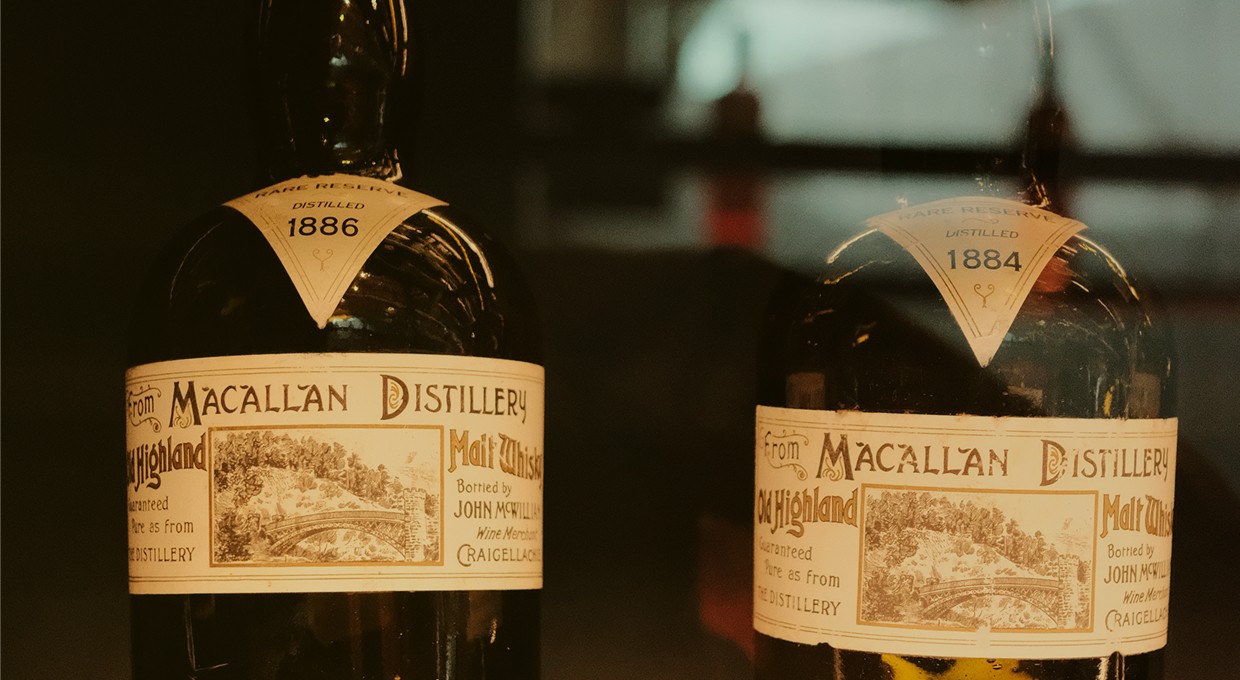
The bottle lies, a bit
The industry taught us to trust age because age is easy to print on a label. Phenol count, fermentation time, cask fill number, these are the things that actually shape flavour, and none of them fit neatly on a bottle neck. So we got the number twelve instead.
Walk through a dunnage warehouse in Speyside and you won't see calendars hanging on the casks. You'll see barrels of every age, stacked by cask type and provenance, because the people who make whisky know the truth. Time is one ingredient. Wood is the bigger one.
What maturation actually does
Ageing is a slow tug of war between three things happening inside the cask.
First, the spirit loses its rough edges. The young, feinty, slightly metallic notes it had fresh off the still mellow out fast. This happens in the first few years.
Second, the wood gives back. Vanillins, tannins and sugars baked into the oak seep into the spirit. This is where most of the colour and most of the sweetness come from.
Third, the spirit and the wood talk to oxygen. Slow reactions over years create the complex esters that make old whisky feel layered and strange in a good way.
A first fill bourbon barrel, full of fresh American oak vanilla and caramel, can do in eight years what a tired, fourth fill hogshead might struggle to do in twenty. We have tasted five year old Islay whiskies that were alive with peat smoke and coastal salt, and thirty year old whiskies that were as flat and dry as old paper. The calendar measures time. The wood decides flavour.
Why the industry keeps selling the number
Because age is legible. It is much harder to sell a bottle on fermentation length or cask provenance than on a single digit. The twelve on the neck does a job that the rest of the label cannot, which is reassure a customer who is about to spend fifty pounds.
But if you only buy whiskies over twelve years old, you are missing the most interesting thing happening in Scotch right now. Young distilleries are using better wood, experimenting with barley strains, and pushing active maturation climates that make a five year old taste like something a decade older. Age is not where the new energy is.
Flavour is the only metric that matters
Instead of asking how old it is, ask what it tastes like. Is the peat medicinal or bonfire. Are the esters shouting tropical fruit or dried raisin. Is the finish waxy or sharp. These questions tell you whether you will love the bottle. The date on the label does not.
This is why we built Dramfly. We treat flavour as data. We call it your sensory DNA, and when you log a dram in the app you are not rating a bottle, you are building a map of your own palate. You might discover you love young, aggressive rye, or that the heavy oxidation of a sherry bomb works for you whatever the age. The map tells you what to reach for. The age statement does not.
Next time you're in the aisle
Ignore the date on the neck. Look for the cask type. Check the ABV. Trust your own memory of what you've liked before. Whisky is meant to be nosed, tasted, and remembered, not counted.
