60-80% of a whisky's flavor comes from the cask, not the barley. We decode Bourbon vs. Sherry vs. Virgin oak so you finally understand what "First Fill" actually means and why it matters.

4 mins read
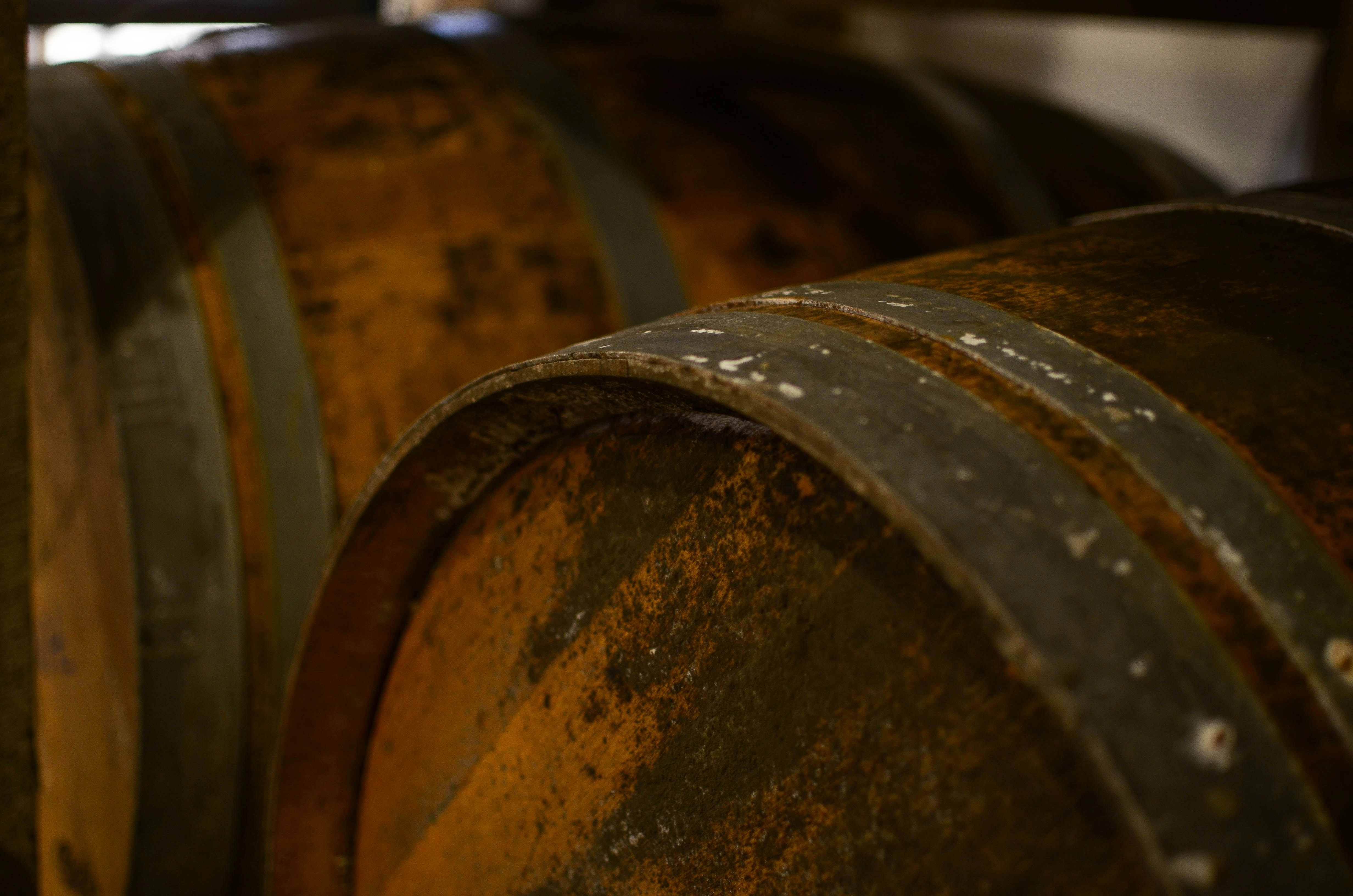
Here's the uncomfortable truth that distilleries don't shout about:
60 to 80% of your whisky's flavour comes from the wood, not the spirit.
That clear liquid coming off the still? It mostly tastes like fruity moonshine. It's the years spent in an oak barrel that turn it into the complex, layered liquid you're willing to drop £80 on.
But not all oak is created equal. And this is where labels get confusing fast: Ex-Bourbon. First Fill Sherry. Virgin Oak. Quarter Cask. Octave.
Let's decode it.
The big three: cask types that matter
1. Ex-Bourbon casks (the standard)
The setup:
By U.S. law, American Bourbon must be aged in brand new oak barrels. They can only use them once. So after 4 to 8 years, they sell the used barrels to Scotland. Scottish distillers snap them up because they're cheap and plentiful.
What they add:
Vanilla, coconut, caramel, honey, crème brûlée. Think: a bakery on a sunny morning.
The vibe:
Sweet, approachable, safe. This is the foundation of most Scotch whisky. If a label doesn't say otherwise, assume it's Bourbon cask.
Examples:
Glenmorangie Original, Glenfiddich 12, most entry-level single malts.
2. Ex-Sherry casks (the rich cousin)
The setup:
These barrels held Spanish Sherry wine (usually Oloroso or Pedro Ximénez). They're harder to get and way more expensive. Sherry production has declined, so there aren't as many barrels floating around.
What they add:
Dried fruits (raisins, figs, dates), dark chocolate, Christmas spices (cinnamon, clove), leather, tobacco. Think: Christmas dinner by the fire.
The vibe:
Rich, luxurious, indulgent. This is the whisky equivalent of wearing a velvet smoking jacket.
Examples:
Macallan Sherry Cask, GlenDronach, Aberlour A'bunadh.
3. Virgin oak (the aggressor)
The setup:
Brand new barrels that have never held any liquid before. The wood is "fresh" and active, meaning it's pumping flavour into the whisky aggressively.
What they add:
Ginger, chilli, sharp oak, sawdust, resin, spice. Sometimes coconut and vanilla (if it's American oak) or earthy tannins (if it's European oak).
The vibe:
Punchy, loud, intense. Not subtle. Virgin oak doesn't whisper. It yells.
Examples:
Balvenie 14 Caribbean Cask (finish), Glenmorangie Quinta Ruban (finish).
First fill vs. refill (the tea bag rule)
Think of a cask like a tea bag.
First fill:
The first time Scotch goes into the barrel after it held Bourbon or Sherry. Lots of flavour. Lots of colour. This is the first cup of tea: strong, intense, full-bodied.
Refill (second fill, third fill):
The barrel has been used 2 to 3 times already. The wood influence is subtler. You taste more of the spirit itself and less of the cask. This is the second cup of tea: milder, but still good.
Which is better?
It depends. First fill is bigger and bolder. Refill is more delicate and lets the distillery character shine. Neither is objectively "better." They're just different.
Cask finishes: the plot twist
Sometimes a whisky is aged in one cask type (e.g., Bourbon) for 10 years, then transferred to another type (e.g., Sherry) for the final 1 to 2 years. This is called a finish.
Why do this?
It adds a layer of complexity. You get the vanilla backbone from Bourbon casks, then a hit of dried fruit from the Sherry finish. It's like adding hot sauce to pizza. It changes the whole experience.
Examples:
Balvenie DoubleWood (Bourbon → Sherry)
Glenmorangie Quinta Ruban (Bourbon → Port)
Ardbeg Uigeadail (Bourbon + Sherry, married together)
Why does this matter?
Because the next time you pick up a bottle and see "Sherry finish" or "First fill Bourbon," you'll know exactly what to expect.
Want something sweet and easy? → Ex-Bourbon cask, refill
Want something rich and festive? → Ex-Sherry cask, first fill
Want something bold and spicy? → Virgin oak or cask strength
You're no longer guessing. You're decoding the label.
The takeaway
Next time you're at a festival or tasting event, ask the rep: "What casks did you use?" If they say "First fill Sherry," you know you're about to taste Christmas in a glass. If they say "Refill Bourbon," expect something lighter and more approachable.
And when you log it in Dramfly? Add a note about the cask type. Future you will thank you when you're trying to remember which "smooth and fruity" whisky you loved six months ago.
